Discovering America's Heritage at the National Ballpark Museum
The National Ballpark Museum presents a unique view into America's baseball heritage. Through its assemblage of artifacts and displays, visitors can explore the sport's evolution alongside social shifts. Legendary jerseys and uncommon pictures share stories of icons and their impact on the game. As families engage with National Ballpark Museum location hands-on displays, they uncover how baseball remains connected with American culture. What insights might this museum reveal about the tomorrow of the sport?
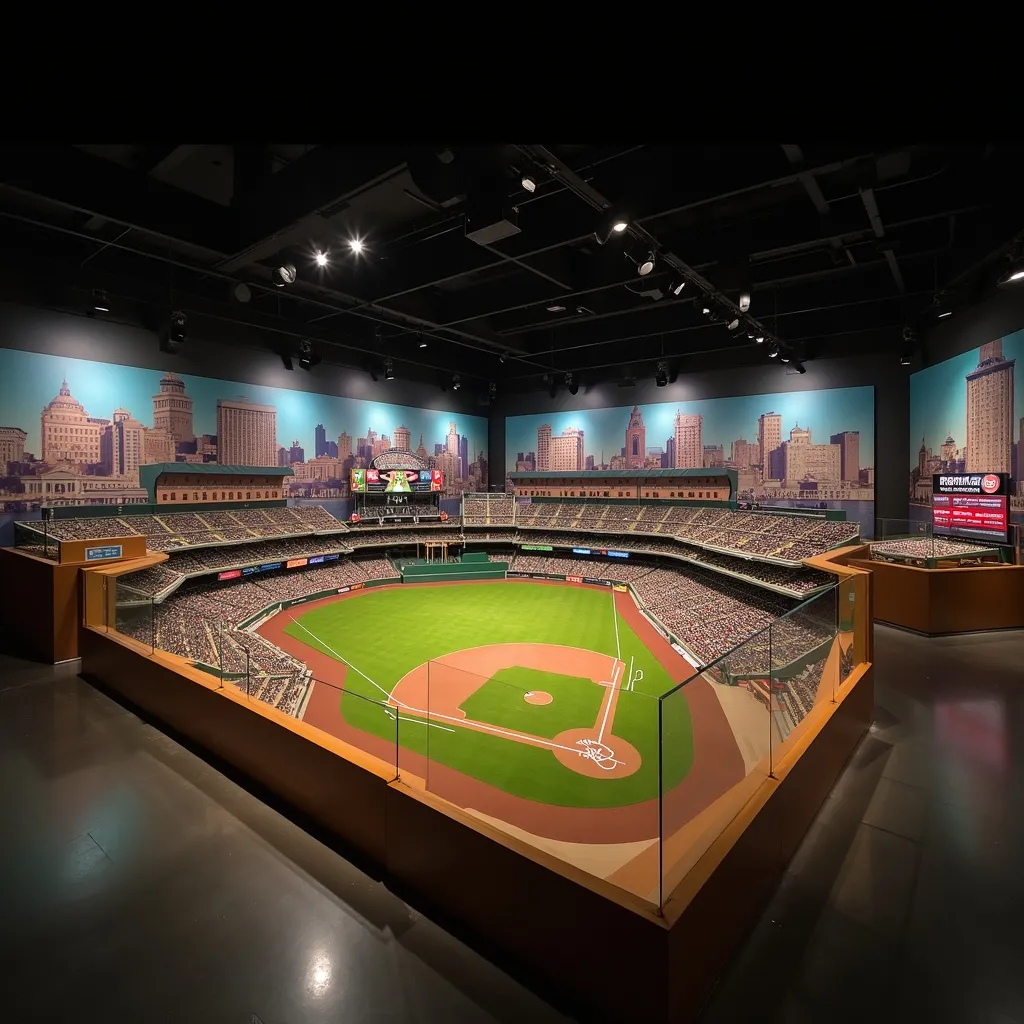
The Affluent Traditions of Baseball in America
Baseball, frequently described as America's favorite pastime, has a distinguished past that is deeply woven into the cultural landscape of the nation. Emerging in the mid-nineteenth century, the sport rapidly rose to prominence, demonstrating the social patterns and local characteristics of the era. The creation of major competitive circuits changed baseball into a pillar of American entertainment, with the National League forming in 1876 and the American League following in 1901.
Major occasions, such as the inclusion of baseball in 1947 with Jackie Robinson, signified significant societal shifts, defying conventional norms and furthering civil rights. The game has also observed legendary figures, from Babe Ruth to Hank Aaron, whose contributions resonate beyond the diamond. Iconic ballparks have held countless memorable moments, generating a collective experience for fans. Overall, baseball functions as a reflection of American history, capturing triumphs, struggles, and the lasting spirit of a nation bound by its passion for the game.
Renowned Baseball Keepsakes You Should See
While memories of legendary games and historic moments remain in the thoughts of fans, notable baseball artifacts acts as physical links to the sport's rich heritage. The National Ballpark Museum houses an remarkable assortment, showcasing items that encapsulate the essence of baseball's past. Visitors can gaze at classic jerseys worn by Hall of Famers, each thread recounting a story of triumph and perseverance. Autographed baseballs, kept in glass cases, offer views into individual relationships between players and fans, while scarce images commemorate pivotal moments in baseball history.
Among the celebrated features are winning bands, embodying the pinnacle of achievement, and historical game tickets that convey visitors back to unforgettable games. Each treasure prompts consideration and appreciation for the game's advancement. This strategically assembled collection not only exhibits the sport's defining moments but also triggers nostalgic emotions, alerting audiences of the timeless heritage of America's pastime.
Meet the Legends: The Way the Museum Displays Baseball Icons
The tribute to baseball icons permeates the environment of the National Ballpark Museum, where visitors are encouraged to explore the lives and accomplishments of the sport's most iconic figures. The museum features captivating exhibits that highlight the careers of baseball stars, offering artifacts, photographs, and interactive displays that bring their stories to life. Each section is meticulously curated to reflect the unique contributions of players such as Babe Ruth, Jackie Robinson, and Hank Aaron, demonstrating their impact both on and off the field.
The museum also holds special events and guest speakers, offering fans with opportunities to hear firsthand accounts and insights from former players and historians. This dedication to honoring baseball icons cultivates a deep connection between visitors and the legends who molded the game. Through its immersive environment, the National Ballpark Museum ensures that the legacy of these players continues to inspire future generations of baseball enthusiasts.
Discover How Baseball Stadiums Have Evolved
Throughout the decades, baseball's stadiums have metamorphosed significantly to fulfill the evolving needs of fans and players alike. Early ballparks were elementary, equipped with wooden bleachers and limited amenities, primarily constructed for the game itself. Nevertheless, as the sport gained popularity, stadiums began to include more features, like better seating, concessions, and restrooms, enriching the overall experience.
The emergence of advanced systems led to substantial growth, including large-scale displays and state-of-the-art acoustics. In terms of architecture, stadiums progressed from the balanced, conventional aesthetics to increasingly bespoke, audience-centered arrangements, producing engaging atmospheres that represent local heritage. The proliferation of corporate partnerships also impacted construction, with VIP suites and upscale seating turning into the norm. Today, stadiums function as flexible establishments, accommodating entertainment and functions outside of baseball, emphasizing their flexibility and importance in American culture. This shift demonstrates not merely a pastime, but a lively social hub.
Family-Oriented-Things to Do at the National Ballpark Museum
The National Ballpark Museum provides a range of family-oriented attractions that celebrate the rich history of baseball and its legendary stadiums. Families can enjoy interactive exhibits that invite children to engage with the sport's history through hands-on displays. A scavenger hunt throughout the museum encourages young visitors to explore artifacts and discover information regarding legendary players and memorable events.
Moreover, the museum organizes learning programs where children can hone their baseball skills, understand the science of the game, and take part in storytelling sessions about famous teams and their achievements. Notable occasions, such as family days, often feature guest speakers from the baseball community, providing a personal touch to the experience. With its engaging atmosphere and varied programs, the National Ballpark Museum fosters a love for baseball, making it an ideal location for families looking to connect over America's favorite pastime.
Plan Your Trip to the National Ballpark Museum
Curious about how to make the most of a visit to the National Ballpark Museum? Visitors are advised to review the museum's official website for current hours and admission fees before organizing their trip. Located in Denver, Colorado, the museum is conveniently accessible via public transportation and offers surrounding parking options. It is advisable to allocate at least two hours to explore the extensive exhibits, which display baseball history and memorabilia.
For people looking for a guided experience, the museum delivers informative tours that delve deeper into the artifacts. Families can experience engaging exhibits, making it a unforgettable visit for all ages. Additionally, guests should reflect on timing their visit to coincide with exclusive occasions or new collections for an improved visit. Finally, the museum shop offers special mementos for enthusiasts to carry away, ensuring that the visit leaves a permanent mark.
Regularly Answered Questions
What Are the Museum's Business Hours?
The museum functions from 10 AM to 5 PM, Tuesday through Sunday. It stays shut on Mondays, enabling staff to maintain exhibits and prepare for the next day's guests eager to discover its collections.
Is There an Admission Fee for the Museum?
The museum necessitates a modest admission fee for entry. Patrons can explore a substantial selection of historical exhibits and artifacts, enhancing their insight of the sport's influence on American culture and history.
Are organized tours offered at the Museum?
Guided excursions are available at the museum, providing guests with an comprehensive experience. Knowledgeable guides share insights and anecdotes about the displays, enriching the appreciation of baseball history and its cultural significance.
Is it Feasible to Acquire Keepsakes at the Museum?
Souvenirs can be purchased at the gallery. Guests can find an assortment of keepsakes, including apparel, collectibles, and themed products, enabling them to bring home a piece of the experience from their visit.
Are Museum Premises Wheelchair Accessible?
The museum provides accessible facilities for wheelchairs, making sure that all attendees can move through its collections comfortably. Accessible ramps and designated pathways are available, fostering inclusivity and permitting everyone to savor the extensive historical content on display within its interior.